24 November 2026 · Instituto de Astrofísica de Canarias
Welopōʻai
Three stars just 28 light-years away
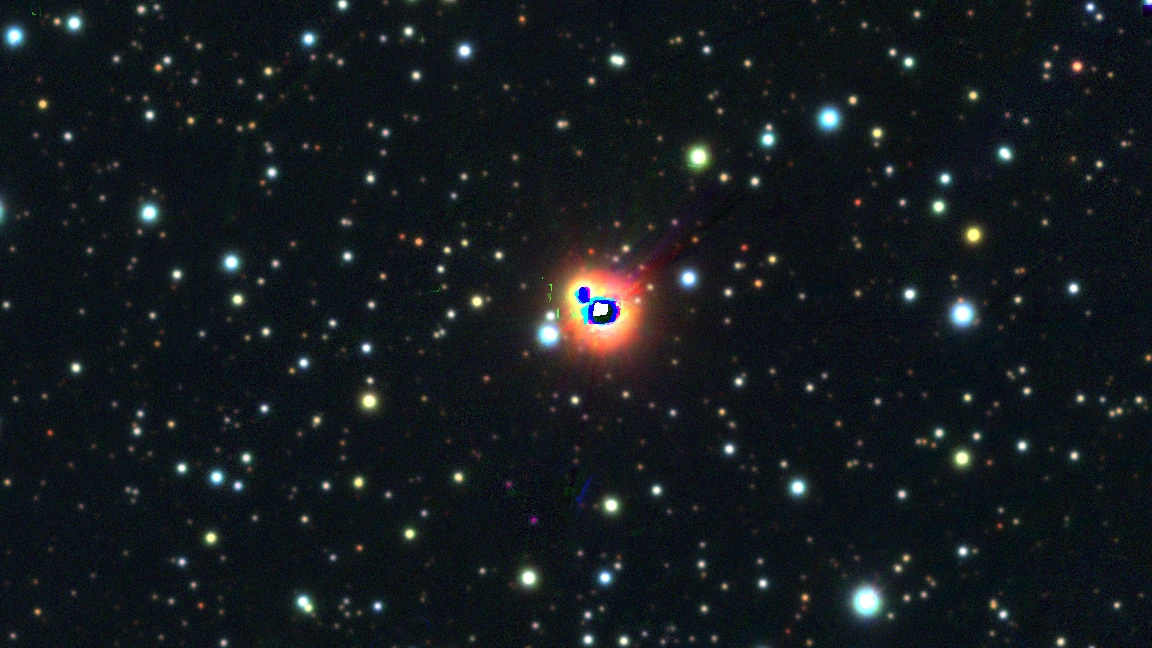
Astronomers were looking for planets when a red dwarf’s motion gave away a much heavier companion. Just 28 light-years from Earth, Welopōʻai is the closest known triple-star system with two white dwarfs.
The star that moved too much
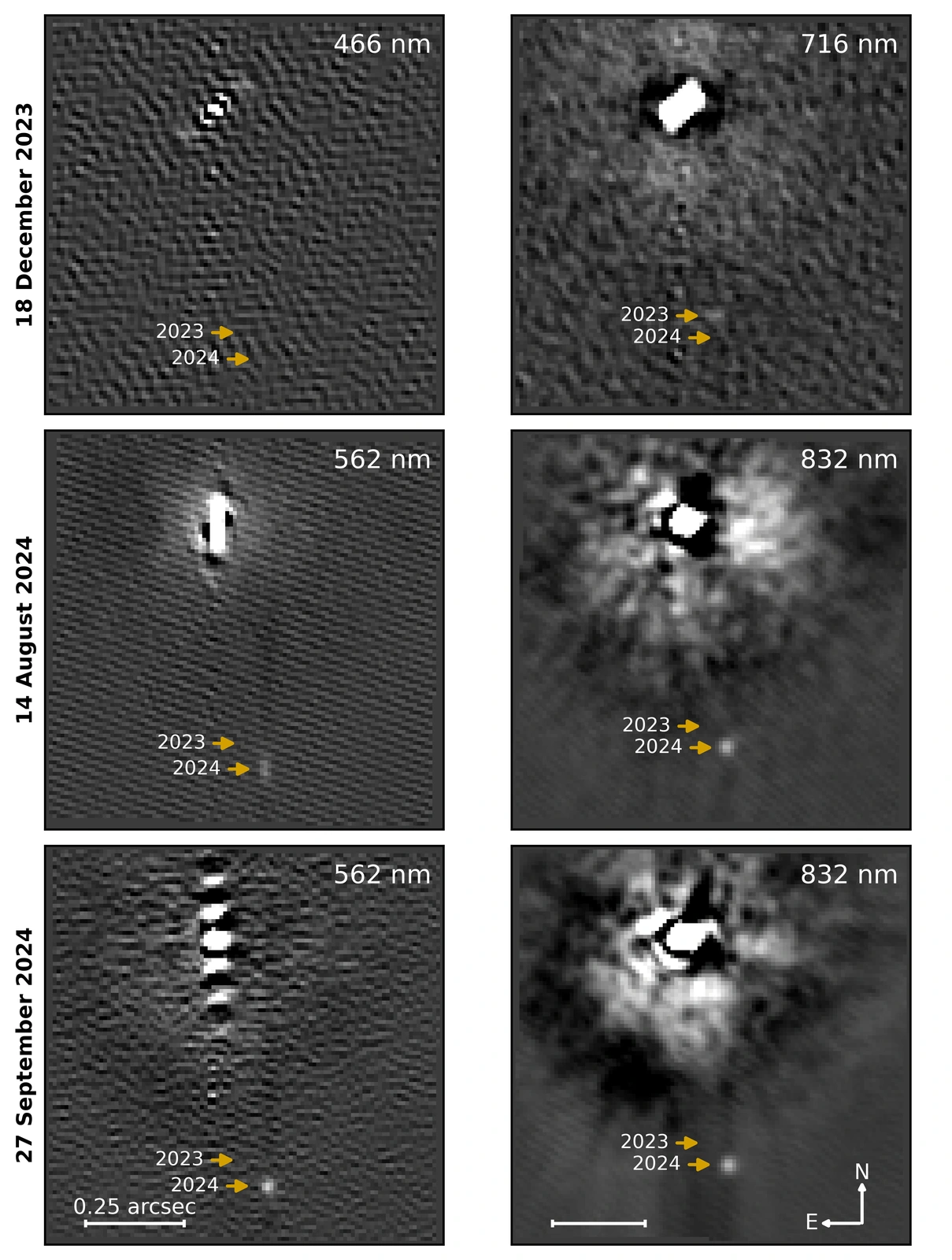
On Maunakea in Hawaiʻi, the SPIRou instrument measured changes of nearly 16 kilometres per second in the red dwarf’s speed. A planet could not account for such a strong tug. The team, which included researchers from the Instituto de Astrofísica de Canarias, turned to Gemini North. Its ‘Alopeke instrument picked out the faint companion.
A family in two orbits
The red dwarf and the newly identified white dwarf orbit each other. Much farther out, a previously known white dwarf circles them both. A white dwarf is the core left behind at the end of a Sun-like star’s life. Here, astronomers can study two such cores in a single stellar family.